How Many Vowel Sounds Are There In The Russian Alphabet 2026

Welcome to the fascinating world of the Russian language, where each letter serves as a gateway to a unique and resonant sound.
As we delve into the linguistic intricacies of this Slavic tongue, one essential question prevails: how many vowel sounds are there in the Russian alphabet?
In 2026, within an ever-evolving global linguistic landscape, it is imperative to explore the historical context and contemporary phonetic nuances that define the modern Russian language.
Join us as we embark on an auditory journey through the Cyrillic script to uncover the secrets behind the enigmatic vowels of Russian.
How Many Vowel Sounds Are There In The Russian Alphabet?
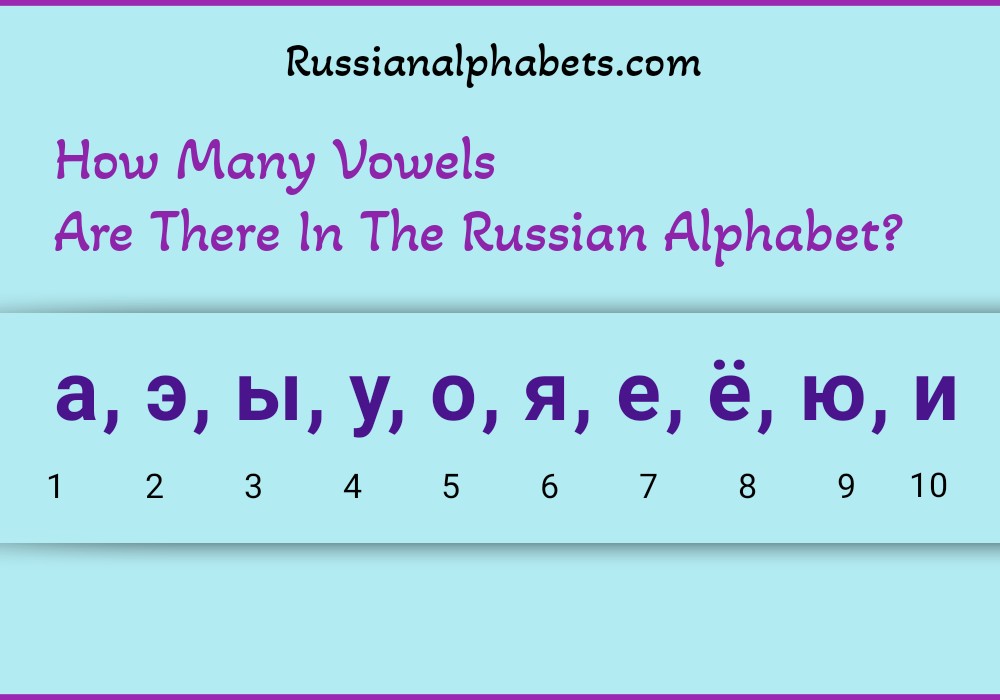
The modern Russian alphabet consists of 33 letters. When discussing vowels, it is important to distinguish between letters and sounds: there are 10 vowel letters, but they typically represent 5 to 6 core vowel phonemes depending on the phonetic context.
These sounds are influenced by factors such as word stress and the “hardness” or “softness” of surrounding consonants. Mastering these vowels is essential for accurate pronunciation and clear communication in Russian.
- /a/ (а): Similar to the “a” in “father”—an open back vowel.
- /e/ (э): Similar to the “e” in “bet”—a mid-front vowel.
- /i/ (и): Similar to the “ee” in “see”—a close front vowel.
- /o/ (о): Similar to the “o” in “more”—a mid-back rounded vowel.
- /u/ (у): Similar to the “oo” in “food”—a close back rounded vowel.
- /y/ (ы): A unique guttural sound with no direct English equivalent, often described as a “retracted i.”
- /ё/ (yo): Similar to the “yo” in “yonder”—a iotated vowel.
- /я/ (ya): Similar to the “ya” in “yard”—a combination of a soft sign/sound and /a/.
- /ю/ (yu): Similar to the “yu” in “universe”—a combination of a soft sign/sound and /u/.
- /е/ (ye): Similar to the “ye” in “yes”—a combination of a soft sign/sound and /e/.
Understanding word stress is vital in Russian. For instance, an unstressed “о” often shifts toward an “а” sound (a process known as ‘Akan’ye’). Listening to native speakers and practicing these nuances will significantly improve your fluency and comprehension.
Understanding the Russian Vowel System
If you find the English vowel system complex, the Russian one offers a different kind of challenge. While English has 26 letters, Russian utilizes 33, including 10 dedicated vowel letters. This structure allows the language to indicate whether the preceding consonant is “hard” or “soft” (palatalized).
Learning Russian requires dedicated practice with these sounds, especially the distinct “ы” and the iotated vowels (я, е, ё, ю). Our guide is here to ensure you navigate these phonetic waters with professional ease.
Phonetic Variations in the Cyrillic Script
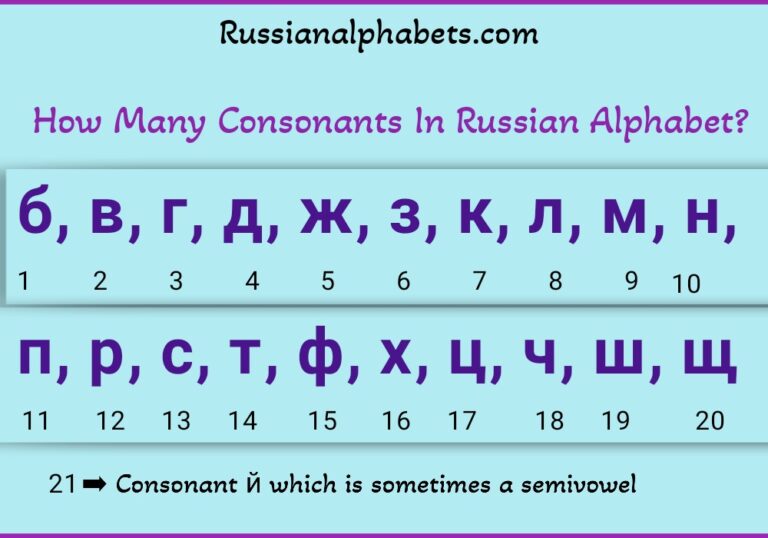
In the Russian alphabet, the 33 letters represent a wide spectrum of sounds. While 10 letters are categorized as vowels, the remaining letters include 21 consonants and 2 silent modifiers (the hard and soft signs). While some characters may visually resemble Latin letters, their phonetic values are often strikingly different.
Why Some Russian Names Pose Pronunciation Challenges
Many English speakers find names like ‘Dostoevsky’ or ‘Shostakovich’ intimidating. This challenge arises because the Russian alphabet provides a broader range of sound combinations than the English alphabet. Additionally, the specific placement of stress in Russian can completely change how a name is articulated, making phonetic guidance essential for non-native speakers.
Mastering the Russian Vowels
Fluency in Russian begins with a deep understanding of its vowels. Whether you are traveling to Russia or studying for professional growth, knowing how to distinguish between “и” and “ы” or “э” and “е” is a hallmark of an advanced learner.
A Guide to Articulating Russian Vowels
Russian vowels are systematically organized into “Hard” (а, о, э, ы, у) and “Soft” (и, е, ё, ю, я) pairs. Hard vowels are typically pronounced with a neutral tongue position, while soft vowels involve palatalization, where the tongue is raised toward the roof of the mouth. Understanding this binary system is the key to achieving a native-like accent.
Russian vs. English: Key Vowel Differences
The primary difference between the two systems lies in lip rounding and tongue tension. For example, the Russian /o/ and /u/ require more prominent lip rounding than their English counterparts. Furthermore, Russian vowels tend to be “pure”—they do not glide into diphthongs as frequently as vowels in English words like “go” or “say.”
The Science of the Russian Sound System
Linguistic research highlights that while the Russian alphabet has 10 vowel letters, they effectively map to a streamlined system of phonemes. Russian speakers are highly attuned to “vowel quality,” which is why mastering the exact placement of your tongue and lips is crucial for being understood correctly by native speakers.
Conclusion Points
How Many Vowel Sounds Are There In The Russian Alphabet 2026? The alphabet consists of 33 letters, including 10 vowels and 21 consonants. While the letters provide the framework, the sounds they produce are dynamic and context-dependent.
In conclusion, the Russian vowel system is a logical and beautiful part of the Slavic linguistic tradition. With 10 vowel letters catering to various dialects and phonetic environments, Russian offers a rich auditory experience. Use our comprehensive chart to begin your practice today!
FAQs
Explore our FAQ section for expert answers to the most common questions about Russian vowels and their correct pronunciation.
Question (1): How can the IPA Help You Pronounce Russian Vowels?
Answer: The International Phonetic Alphabet (IPA) provides a standardized way to visualize sounds. For Russian, symbols like [a], [e], [i], [o], [u], and [ɨ] help learners understand the precise articulation needed for each vowel, regardless of their native language’s spelling rules.
Question (2) – How many phonemes are in the Russian vowel system?
Answer: Most linguists agree that there are 5 to 6 core vowel phonemes in Russian. While there are 10 letters, many of them (the iotated vowels) represent the same core sounds preceded by a “y” sound or indicating the palatalization of the previous consonant.
Question (3) – What are the ten vowel letters in Russian?
Answer: The ten letters are: а, о, э, ы, у (Hard) and и, е, ё, ю, я (Soft). Each letter plays a specific role in indicating the pronunciation of the words they inhabit.
Question (4) – Are there similarities between English and Russian vowels?
Answer: Yes, vowels like /a/ (father) and /u/ (boot) have close equivalents in English. However, Russian vowels are generally shorter and more “pure,” meaning they don’t change quality from the beginning to the end of the sound.
Question (5) – How Many Letters are in the Russian Alphabet?
Answer: There are 33 letters in the modern Russian alphabet, comprising 10 vowels, 21 consonants, and 2 signs.
Russianalphabets.com remains your premier source for accurate and professional insights into the Russian language.